

Why Problem-Solving Is Essential for Children’s Growth and How It Can Be Improved
In today’s fast-changing world, children need more than just good grades — they need strong problem-solving skills. From learning how to share toys to figuring out a tricky math question, problem-solving helps kids think independently, make decisions, and build confidence in their abilities.
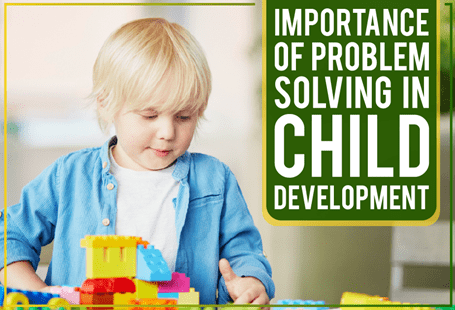
When children learn how to solve problems, they also learn how to think creatively. Instead of giving up when things get tough, they start asking questions, trying new approaches, and exploring different solutions. This mindset encourages curiosity and innovation — two key traits of successful learners and future leaders.
Problem-solving also strengthens social and emotional intelligence. When kids work together to overcome challenges, they learn teamwork, patience, empathy, and communication. They begin to understand that mistakes aren’t failures but valuable opportunities to learn and grow.
Moreover, problem-solving builds resilience. Every time a child faces a challenge and finds a way through it, they become a little stronger, more confident, and more prepared for life’s bigger challenges ahead.
In simple terms, problem-solving is not just about finding answers — it’s about building thinkers. Encouraging children to ask “why” and “how” helps them develop the skills they’ll need for a lifetime of learning, creativity, and success.
💡 So next time your child faces a problem, don’t rush to fix it for them — guide them to think it through. Every small problem they solve today helps them grow into the capable, confident person they’ll be tomorrow.
🌈 How to Improve Children’s Problem-Solving Abilities
Parents and educators can help children strengthen this skill in fun and meaningful ways.
1. Encourage Curiosity and Questions
Curiosity is the spark of problem-solving. Children who are encouraged to ask “why” and “how” start thinking beyond the obvious. Answering their questions thoughtfully and asking them to explore solutions fosters independent thinking and creativity.
2. Use Real-Life Challenges
Everyday situations are excellent opportunities to practice problem-solving. From planning a small family activity to deciding how to share toys with friends, these real-life challenges teach kids how to analyze situations, consider options, and make choices.
3. Play Games and Puzzles
Games, puzzles, and brainteasers are not just fun — they sharpen logic, strategy, and persistence. Even simple board games or building blocks encourage children to experiment, learn from mistakes, and find solutions.
4. Teach Reflection and Patience
Problem-solving is a process, not a race. Teaching children to pause, think, and reflect on different approaches helps them build patience and resilience. Celebrate efforts and progress, not just the outcome.
5. Encourage Teamwork
Working with others exposes children to diverse ideas and approaches. Collaborative problem-solving teaches communication, empathy, and flexibility — skills that are crucial for life beyond the classroom.
By fostering these habits, we are not just helping children solve today’s problems — we are equipping them with lifelong skills that build confidence, creativity, and independence. Every small challenge they overcome today is a step toward becoming a capable, thoughtful adult tomorrow.
Make problem-solving a positive adventure. Guide, encourage, and celebrate their efforts, and watch them grow into confident thinkers ready for any challenge!