

How Game-Based Learning Supports Children with Autism
In recent years, game-based learning has gained strong attention as an innovative way to support children with autism spectrum disorder (ASD). Among the most promising tools are electronic brain games — digital activities designed to strengthen memory, attention, problem-solving, and social interaction. Research shows that when used thoughtfully, these games can play a key role in helping children with autism practice essential skills in a fun, motivating, and structured environment.
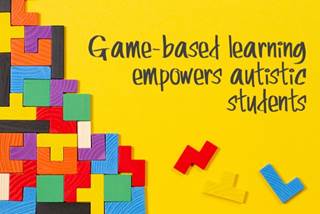
The intersection of technology and autism intervention has opened promising avenues, with computer-based games emerging as a significant tool. Far from mere entertainment, these games offer structured, engaging, and adaptable environments that can target core challenges associated with Autism Spectrum Disorder (ASD). This article explores the scientifically supported roles of computer-based games for autism, backed by research and key resources.
Why Electronic Brain Games Work for Children with Autism
Children with autism often face challenges with communication, social engagement, and executive functions such as focus and planning. Electronic brain games address these areas by:
- Enhancing cognitive flexibility — puzzle and logic games encourage children to think in new ways and adapt to changing rules.
- Building attention and focus — interactive games with clear goals and feedback help sustain attention over time.
- Encouraging social skills — many brain games can be played collaboratively, teaching turn-taking, cooperation, and empathy.
- Providing safe repetition — games allow children to practice skills at their own pace, reducing anxiety and creating a supportive learning space.
Individuals with autism often exhibit distinct learning styles and preferences. Computer-based games align well with many of these:
- Predictability and structure: Games operate on clear rules and predictable patterns, reducing anxiety caused by unpredictable social environments.
- Controlled environment: Players control the pace, level of challenge, and sensory input (volume, brightness), minimizing overwhelming stimuli.
- Visual learning: Many games use strong visual cues and clear feedback, aligning with the visual processing strengths common in autism.
- Motivation and engagement: Built-in rewards, levels, and interactivity provide powerful motivation and encourage consistent practice.
- Safe social practice: Virtual environments create a low-pressure space to practice communication and perspective-taking.
Latest Research and Trends
Recent studies highlight that digital interventions — especially structured game-based learning apps — can reduce anxiety, improve problem-solving, and support language development in children with autism. Unlike traditional therapies, electronic brain games combine evidence-based methods with engaging gameplay, making it easier for children to stay motivated and actively involved.
Algoopia’s Game-Based Learning Solution
At Algoopia, we believe that learning should be both effective and enjoyable. Our specialized brain-training software for children with autism is designed to:
- Strengthen memory, logic, and attention.
- Support emotional regulation through adaptive challenges.
- Provide parents and educators with progress tracking tools.
- Create a playful environment where learning feels like fun, not therapy.
Conclusion
Electronic brain games are not just entertainment — they are powerful tools that can help children with autism build confidence, improve daily skills, and enjoy learning. With the right design and guidance, game-based learning can bridge the gap between therapy and play, empowering children to thrive.