
Intellectual & Cognitive Games for Children with Learning Difficulties
Introduction
Individuals with intellectual disability (ID) exhibit various problems, such as attention, learning, and physical–motor difficulties. Many children face cognitive and mental disabilities, including problems with memory, attention, and problem-solving (Drill, 2025). Parents and therapists are always looking for safe and effective solutions. One proven method is using cognitive games, especially computer-based brain training games, to improve children’s mental abilities in a fun and engaging way.

What Are Intellectual Games?
Intellectual games—including puzzles, strategy games, memory challenges, and digital cognitive training apps—are emerging as powerful complementary tools in pediatric neurodevelopmental therapy. These structured activities target executive functions, attention, memory, and social cognition through engaging, repetitive exercises. Recent research (2023–2025) demonstrates their efficacy in supporting children with conditions like ADHD, autism spectrum disorder (ASD), dyslexia, and mild intellectual disabilities when integrated with traditional therapies.
Benefits and Key Action Mechanisms
-
Neuroplasticity enhancement
Intellectual games activate neural pathways through repetitive, adaptive challenges. Studies in the Journal of Child Neurology reported that 12 weeks of targeted gaming increased gray matter density in prefrontal cortices by 8–12% in children with ADHD, correlating with improved impulse control (2025).
-
Dopaminergic regulation
Games with reward systems (points, levels) may stimulate dopamine release, improving motivation and focus. Research from Nature Human Behavior found this mechanism particularly effective for children with attention deficits (2023). -
Social cognition development
Multiplayer games scaffold perspective-taking and communication. A 2025 RCT in Autism Research reported that cooperative board games improved emotional recognition skills in ASD children by 40% versus control groups.

What Are Cognitive Games?
Cognitive games are specially designed activities that stimulate the brain. They focus on skills such as:
- Memory
- Attention
- Problem-solving
- Executive functioning
Unlike traditional learning, cognitive games use playful and interactive methods, making them enjoyable for children. Research shows that these games can improve brain plasticity and help children build stronger mental skills (Kleinberg, 2010).
Benefits of Computer-Based Cognitive Games for Children
1. Improving attention and focus
Many studies show that children with ADHD can significantly improve their focus through computer-based cognitive training (Klingberg et al., 2005).
2. Boosting memory
Games that train working memory help children remember better, both in school tasks and in daily life (Holmes et al., 2009).
3. Enhancing problem-solving skills
Strategic and puzzle-based games encourage children to plan, think critically, and become more flexible in solving challenges (Thorell et al., 2009).
4. Making therapy fun
Unlike traditional therapy methods, computer games are fun and motivating. This increases a child’s willingness to participate in treatment (Granic et al., 2014).
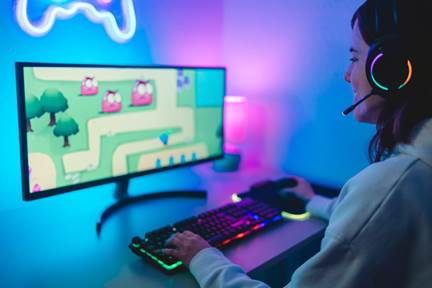
Why Computer Games Work Better Than Traditional Tools
- Interactive design keeps children engaged.
- Adaptive difficulty levels adjust to the child’s progress.
- Instant feedback helps track improvement.
- Visual and auditory stimulation makes learning more effective.
Things to Keep in Mind
Even though these games are powerful, they are not a complete replacement for therapy. Screen time should be limited, and parents should monitor the child’s progress. Experts recommend using these games as a supplement to traditional therapy and school support (Shipstead et al., 2012).
Evidence-Based Applications by Condition (2023–2025 Meta-Analyses)
| Condition | Effective Game Types | Documented Improvements |
|---|---|---|
| ADHD | Time-management apps, Puzzle games | Sustained attention (+25%), Task completion (+30%) |
| ASD | Social simulation games, Cooperative board games | Eye contact (+35%), Emotional recognition (+40%) |
| Dyslexia | Phonics-based digital games | Reading accuracy (+22%), Processing speed (+28%) |
| Mild ID | Adaptive memory games, Logic puzzles | Working memory (+33%), Problem-solving (+27%) |
Implementation Guidelines for Clinicians & Parents
- Personalization is the key: Use platforms that adapt difficulty in real time based on performance data. 2024 research suggests personalized approaches can yield greater outcomes than generic games.
- Dosage matters: Aim for 15–20 minute sessions, 3–5 times weekly. Overuse (more than ~45 mins/day) may reduce efficacy.
- Integrate with traditional therapy: Games should complement—not replace—behavioral therapy; combined approaches tend to show better outcomes.
Conclusion
Using cognitive and computer-based games is an innovative and potentially effective way to support children with cognitive and mental disabilities. They can improve attention, memory, and problem-solving while making therapy enjoyable. With proper guidance, these tools may play an important role in child development and special education.
References
- Franceschini, S. et al. (2013). Action video games make dyslexic children read better. Current Biology.
- Granic, I. et al. (2014). The benefits of playing video games. American Psychologist.
- Holmes, J. et al. (2009). Adaptive training leads to sustained enhancement of poor working memory. Developmental Science.
- Klingberg, T. (2010). Training and plasticity of working memory. Trends in Cognitive Sciences.
- Shipstead, Z. et al. (2012). Is working memory training effective? Psychological Bulletin.
- Thorell, L. B. et al. (2009). Training and transfer effects of executive functions in preschool children. Developmental Science.
- Elif Diril et al. (2025). The Effect of a Video-Based Game Exercise Program on Motor Skills, Proprioception, and Cognitive Functions. Wiley Online Library.