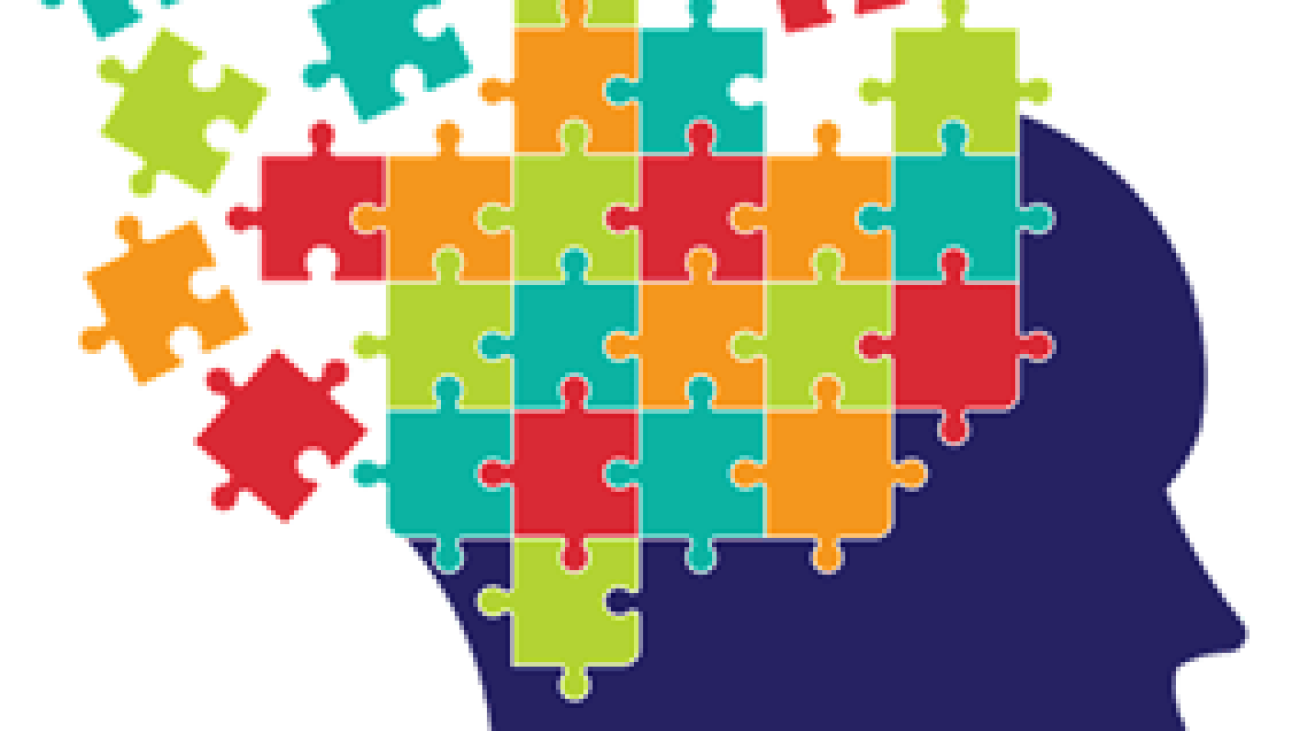
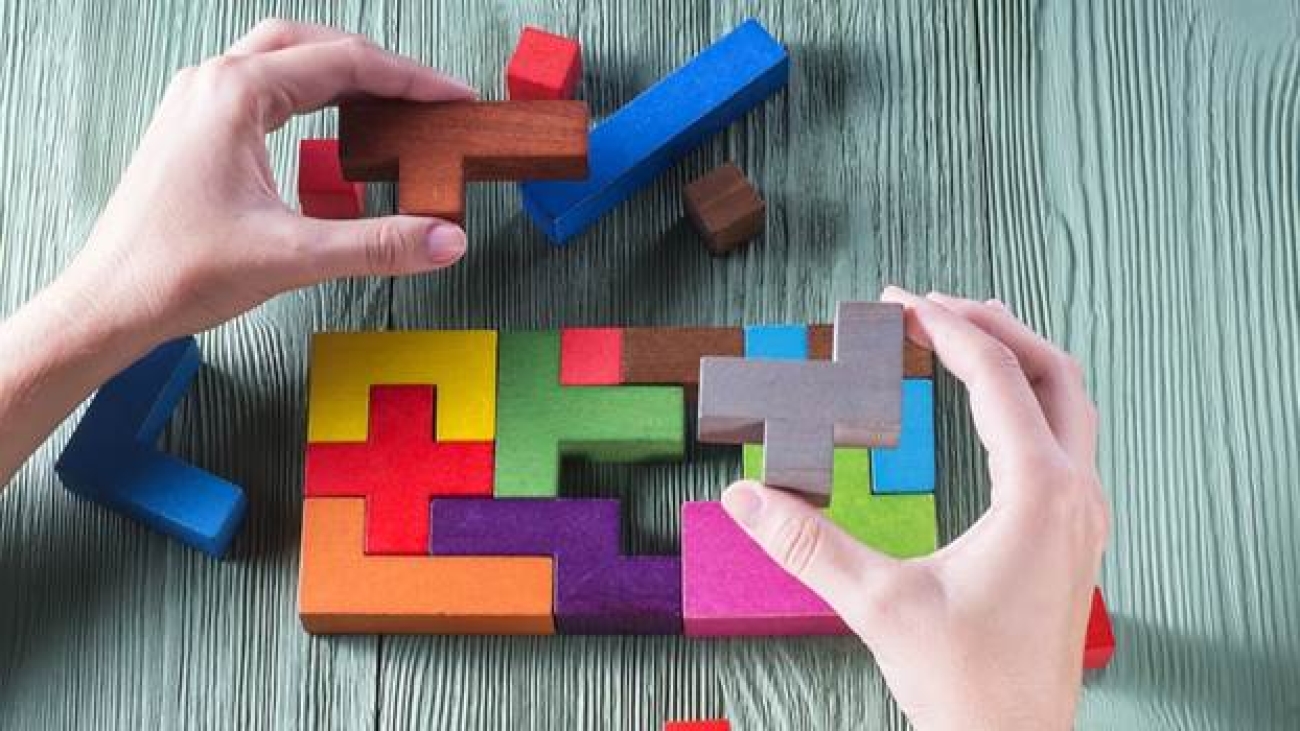
Video games come in many forms, but one genre that often goes unnoticed is queue-based games—titles where players must organize tasks,
manage sequences, and prioritize actions. These include simulation games,
management games, strategy builders, and even educational apps built around
ordering or scheduling.
While parents often wonder how gaming affects their child’s brain, the truth
is that queue-based mechanics can influence cognitive development in unique
ways. Here’s a clear, research-aligned look at how these games shape children’s
thinking, attention, and behavior.
How Queue-Based Games Can Benefit Children’s Cognitive Development
1. Strengthening Executive Function Skills
Games that involve planning, sequencing, and time management give kids regular
practice in important mental skills such as:
Organizing actions in the right order
Making decisions based on limited resources
Predicting outcomes as tasks move through a queue
These activities actively engage the prefrontal cortex—the part of the brain
responsible for executive functioning.
2. Improving Working Memory
Queue-based games require children to:
Track multiple steps
Remember changing priorities
Update decisions as new tasks appear
This strengthens working memory, which is essential for school performance,
especially in math, reading, and problem-solving.
3. Enhancing Focus and Attention Control
Because these games reward careful sequencing, kids must:
Pay close attention to detail
Avoid skipping steps
Correct mistakes in order
This can lead to better sustained attention, a skill that many children—
especially younger ones—struggle with.
4. Better Problem-Solving and Logical Thinking
Queue-based mechanics often challenge players to find the most efficient path. Children learn to:
Analyze cause and effect
Compare different strategies
Optimize their decisions
These are the same skills used in STEM fields, programming, and real-world
decision-making.
Potential Downsides Parents Should Keep in Mind
Like any digital activity, the impact depends heavily on duration, age, and game design.
1. Risk of Expecting Instant Rewards
Many games reward quick, repeated actions. Over time, this may:
Lower patience for slow-result activities
Increase reliance on instant gratification
Reduce attention span outside the game
2. Cognitive Overload in Fast-Paced Games
Some queue-based games move quickly and include time pressure. For younger children, this may cause:
Stress
Mental fatigue
Hyper-stimulation
Moderation is key.
3. Social Skill Replacement
If gaming takes the place of interacting with peers, children may miss opportunities to:
Develop emotional communication
Learn cooperation
Practice conflict resolution
Games are beneficial as a supplement, not a replacement for
real social experiences.
Healthy Screen-Time Recommendations
Experts suggest the following daily maximums:
Ages 3–6: up to 30 minutes
Ages 6–12: up to 1 hour
Ages 12+: up to 90 minutes
Short breaks every 10–15 minutes help prevent mental fatigue.
Which Queue-Based Games Are Best for Kids?
Recommended
✔️ Calm simulation or management games
✔️ Strategy games that emphasize planning
✔️ Educational apps focused on ordering, sequencing, and logic
Not Recommended
✖️ High-speed, stress-inducing games
✖️ Violent or aggressive content
✖️ Reward-loop games designed for addiction
Queue-based video games aren’t just entertainment—they can meaningfully support
a child’s cognitive growth when used responsibly. With the right game choices
and healthy screen-time limits, these experiences can sharpen memory,
strengthen decision-making, and improve logical reasoning.
The Benefits of Computer Jigsaw Games for Children’s Brain Development
1. Introduction
In today’s digital world, children grow up surrounded by technology. Computers, tablets, and smartphones have become an important part of their daily lives. While parents and teachers often worry about the negative effects of too much screen time, not all digital activities are harmful. In fact, some computer games can be educational and mentally stimulating. One great example is computer jigsaw puzzles. These games, which require players to fit together digital pieces to form a complete picture, can help children develop a variety of cognitive and emotional skills. When used in moderation and under proper guidance, computer jigsaw games can be a powerful tool for learning and brain growth.
2. Enhancing Cognitive Skills
Playing computer jigsaw puzzles can significantly improve several key cognitive abilities in children. One of the most important is visual-spatial reasoning — the ability to understand and remember the spatial relationships among objects. As children rotate, drag, and fit digital pieces into place, they learn to visualize the final image in their mind. This process strengthens their spatial awareness and mental imagery, skills that are essential in subjects such as mathematics, geometry, and even science.
In addition, jigsaw games enhance problem-solving and critical thinking abilities. Each puzzle presents a challenge that must be analyzed and solved through logic, patience, and strategy. Children learn to recognize patterns, test solutions, and think ahead. These activities activate the prefrontal cortex — the part of the brain responsible for reasoning, decision-making, and planning — thereby promoting healthy cognitive development.
3. Improving Memory and Attention
Another key benefit of computer jigsaw games is their positive effect on short-term memory and attention span. When children look at the picture and try to remember where each piece might fit, they practice memory recall and mental mapping. Over time, this strengthens both visual memory (remembering what the pieces look like) and working memory (holding information while using it).
Moreover, computer puzzles encourage focused attention and concentration. Unlike fast-paced video games that rely on constant movement and instant rewards, jigsaw puzzles require calm focus and persistence. Children must pay attention to details such as color shades, shapes, and borders. This helps them develop the ability to stay focused on a task for longer periods — a skill that benefits them in schoolwork and everyday life.
4. Supporting Emotional and Social Development
Beyond cognitive gains, computer jigsaw puzzles can also promote emotional intelligence and social interaction. When children work on puzzles, they often experience feelings of satisfaction and pride upon completing them. This success builds self-confidence and a sense of achievement, motivating them to take on new challenges. Additionally, when puzzles are played collaboratively — for example, siblings or classmates solving one together — children practice teamwork, communication, and sharing ideas.
Computer jigsaw games can also help children learn patience and stress management. Since the task requires time and effort, they learn that persistence and calm thinking lead to success. This emotional regulation skill can transfer to other areas of life, such as studying, sports, or handling frustration.
5. Educational Value and Technological Literacy
Modern computer jigsaw games often come with educational themes — maps, animals, historical landmarks, and scientific images — turning playtime into a learning experience. Through these puzzles, children gain new knowledge while also developing their curiosity about the world. For example, assembling a puzzle of the solar system introduces them to planets and space concepts, while a puzzle of world flags can inspire interest in geography.
Additionally, by engaging with digital puzzles, children improve their technological literacy — an important skill in the 21st century. They learn how to navigate computer interfaces, use a mouse or touchscreen precisely, and interact with educational software responsibly. This prepares them for a future where digital competence is essential for both academic and professional success.
6. Conclusion
In conclusion, computer jigsaw games are much more than just a digital pastime. They combine fun with learning, offering a balanced way for children to develop cognitive, emotional, and social skills. From strengthening memory and attention to encouraging teamwork and patience, these games nurture well-rounded brain growth. As long as they are used in moderation and under adult supervision, computer jigsaw puzzles can transform screen time into smart time. In a world full of distractions, such mindful play can help children become creative thinkers, problem solvers, and lifelong learners.
Best Jigsaw Puzzle Games for iOS (iPhone / iPad)
🧩 1. Jigsaw Puzzles – Puzzle Game
Developer: Easybrain
Description: Thousands of puzzles in different themes, daily updates, and smooth gameplay.
Download on App Store
2. Magic Jigsaw Puzzles
Developer: ZiMAD
Description: Over 30,000 puzzles, from simple to expert levels, plus the ability to use your own pictures.
Download on App Store
3. Jigsaw Puzzle Collection HD
Developer: Veraxen Ltd.
Description: Realistic puzzle feel with many categories and high-resolution images.
Download on App Store
4. Ravensburger Puzzle
Developer: Ravensburger Verlag GmbH
Description: Premium-quality puzzles by the legendary Ravensburger brand — very polished and relaxing.
Download on App Store
5. Jigsaw Scapes
Developer: PuzzleJoy
Description: A calm and minimalistic jigsaw puzzle game with beautiful HD artwork and daily puzzles.
How eLearning Gamification Enhances Problem-Solving Skills
Introduction
In today’s fast-paced and digital-first world, problem-solving has become one of the most valuable skills. Whether in education, business, or personal life, the ability to analyze situations, think critically, and find effective solutions defines success in the 21st century. At the same time, traditional learning methods often fail to keep learners engaged or motivated.
eLearning gamification integrates game-like elements—such as points, badges, leaderboards, challenges, and feedback—into online learning. It boosts motivation, increases retention, and improves problem-solving abilities.
This article explores how gamification works, why it strengthens problem-solving, and how learners and organizations can benefit from it.
1. Why Problem-Solving Matters in the Digital Age
Problem-solving is essential for innovation, creativity, and adaptability. In workplaces, it means tackling complex projects and leading change. In education, it builds critical thinking and lifelong learning.
Traditional approaches often focus on memorization, while gamified eLearning encourages active, interactive problem-solving experiences.
Problem-Solving Elements
Problem-Solving Skills
Problem-solving includes problem representation, strategy formulation, execution, and evaluation. Skilled problem-solvers use metacognition and adapt strategies to new contexts.
2. Gamification and Learning Theories
According to self-determination theory (Deci & Ryan, 2000), motivation thrives when learners feel autonomy, competence, and relatedness. Game mechanics—like progress tracking and rewards—satisfy these needs. Gamification also aligns with experiential learning, where learners act, reflect, and adapt (Kolb, 1984).
3. Linking Gamification to Problem-Solving
Gamification fosters persistence, creativity, and collaboration. It creates realistic scenarios, enables trial and error, and provides immediate feedback, allowing skills to transfer to real-world problems (Sailer et al., 2017).
4. Empirical Evidence
Educational Contexts
Studies show gamified environments improve student problem-solving. Su & Cheng (2015) found gamified math learners outperformed peers. Anderson et al. (2018) showed gamification enhanced collaborative problem-solving in STEM education.
Workplace Training
Gamified corporate training boosts adaptive problem-solving. Landers et al. (2015) showed gamified learning improved decision-making and risk-taking in professional settings.
Progress indicators: Maintain motivation for complex tasks.
Narrative and challenges: Contextualize problems.
Collaboration tools: Strengthen social problem-solving.
6. How eLearning Gamification Enhances Problem-Solving Skills
Motivation Through Rewards and Progress
Gamification keeps learners motivated through points, badges, and levels. Learners engage actively, make decisions, and own their progress.
Safe Environment for Trial and Error
It provides a safe space for experimentation, failure, and resilience—key elements of real-world problem-solving.
Real-Time Feedback
Instant feedback helps learners reflect and refine strategies through quizzes and simulations.
Collaboration and Competition
Leaderboards and team challenges foster shared learning and cooperation.
Engagement Through Storytelling
Storylines make challenges meaningful, turning problem-solving into an enjoyable journey.
7. Case Studies
Education
Gamified simulations in STEM improve logical reasoning and persistence.
Corporate Training
Organizations report greater innovation and confidence in problem-solving after gamified leadership programs.
Professional Skills Development
Platforms like Duolingo and Coursera use gamification to develop persistence and practical skills through continuous engagement.
8. Challenges and Limitations
Over-reliance on extrinsic rewards
Poor design: Superficial gamification fails to engage.
Individual differences: Preferences vary between competition and collaboration.
To succeed, gamification must center on meaningful problem-solving experiences.
Conclusion
eLearning gamification revolutionizes problem-solving education. By integrating motivation, safe exploration, feedback, and teamwork, it empowers learners to think critically and creatively.
In an era valuing adaptability and innovation, gamified learning is not just engaging—it’s essential for building the cognitive skills of the future.
References
Anderson, C. A., Young, M. F., & Wu, S. L. (2018). Gamified learning environments and collaborative problem-solving in STEM education. Computers & Education, 127, 101–113.
Hamari, J., Koivisto, J., & Sarsa, H. (2014). Does gamification work? — A literature review. Hawaii International Conference on System Sciences.
Ibáñez, M. B., Di-Serio, Á., & Delgado-Kloos, C. (2014). Gamification for engaging computer science students. IEEE Transactions on Learning Technologies, 7(3), 291–301.
Sailer, M., Hense, J., Mayr, S., & Mandl, H. (2017). How gamification motivates: An experimental study. Computers in Human Behavior, 69, 371–380.
Su, C. H., & Cheng, C. H. (2015). A mobile gamification learning system. Journal of Computer Assisted Learning, 31(3), 268–286.
The Surprising Role of Video Games in Developing Emotional Intelligence
Video games are often perceived merely as entertainment, but they play a surprising role in enhancing
emotional intelligence (EI). These engaging and immersive experiences help players cultivate essential
skills such as empathy, self-awareness, and social abilities. In today’s digital age, mobile games are particularly
effective in promoting emotional control and effective communication through captivating narratives and teamwork challenges.
Welcome to the World of Emotional Intelligence
Emotional intelligence includes five components: self-awareness, self-regulation, social skills, empathy, and motivation.
Many modern video games with rich storytelling and character development help players practice and improve these abilities.
The Impact of Mobile Games on Emotional Intelligence
Mobile games can significantly contribute to emotional growth. Far from being mere distractions, they offer interactive
experiences where players can learn patience, teamwork, and empathy in fun, engaging ways.
What is Emotional Intelligence?
Emotional intelligence (EI) is the ability to recognize, understand, and manage emotions — both your own and others’.
Its key components are:
Self-awareness: Recognizing one’s emotions and their impact.
Self-regulation: Managing emotions in healthy ways.
Motivation: Using emotions to reach goals.
Empathy: Understanding the emotions of others.
Social skills: Building positive relationships.
How games strengthen emotional understanding
Why Emotional Intelligence Matters
Emotional intelligence helps people manage stress, collaborate effectively, and make sound decisions. It’s a crucial skill
for both personal and professional growth.
How Video Games Encourage EI
1. Engagement Factor
Compelling storylines help players connect emotionally and reflect on human experiences.
2. Stress Relief
Games can reduce stress and improve focus, teaching emotional regulation in a low-stakes environment.
3. Social Interaction
Multiplayer games foster teamwork, empathy, and communication.
In-game chat and cooperation enhance collaboration and trust.
4. Character Development
Game developers use emotional intelligence principles to craft relatable stories and characters that evoke empathy and connection.
5. User Experience (UX)
Good UX design minimizes frustration and encourages emotional engagement.
Well-designed games can go beyond fun — they become spaces to practice empathy, patience, and self-awareness.
Conclusion
Video games, especially mobile ones, offer more than entertainment: they’re platforms for developing emotional intelligence.
Through storytelling, collaboration, and problem-solving, players can enhance empathy, awareness, and social understanding —
vital skills for thriving in today’s world.
Why Problem-Solving Is Essential for Children’s Growth and How It Can Be Improved
In today’s fast-changing world, children need more than just good grades — they need strong problem-solving skills. From learning how to share toys to figuring out a tricky math question, problem-solving helps kids think independently, make decisions, and build confidence in their abilities.
When children learn how to solve problems, they also learn how to think creatively. Instead of giving up when things get tough, they start asking questions, trying new approaches, and exploring different solutions. This mindset encourages curiosity and innovation — two key traits of successful learners and future leaders.
Problem-solving also strengthens social and emotional intelligence. When kids work together to overcome challenges, they learn teamwork, patience, empathy, and communication. They begin to understand that mistakes aren’t failures but valuable opportunities to learn and grow.
Moreover, problem-solving builds resilience. Every time a child faces a challenge and finds a way through it, they become a little stronger, more confident, and more prepared for life’s bigger challenges ahead.
In simple terms, problem-solving is not just about finding answers — it’s about building thinkers. Encouraging children to ask “why” and “how” helps them develop the skills they’ll need for a lifetime of learning, creativity, and success.
💡 So next time your child faces a problem, don’t rush to fix it for them — guide them to think it through. Every small problem they solve today helps them grow into the capable, confident person they’ll be tomorrow.
🌈 How to Improve Children’s Problem-Solving Abilities
Parents and educators can help children strengthen this skill in fun and meaningful ways.
1. Encourage Curiosity and Questions
Curiosity is the spark of problem-solving. Children who are encouraged to ask “why” and “how” start thinking beyond the obvious. Answering their questions thoughtfully and asking them to explore solutions fosters independent thinking and creativity.
2. Use Real-Life Challenges
Everyday situations are excellent opportunities to practice problem-solving. From planning a small family activity to deciding how to share toys with friends, these real-life challenges teach kids how to analyze situations, consider options, and make choices.
3. Play Games and Puzzles
Games, puzzles, and brainteasers are not just fun — they sharpen logic, strategy, and persistence. Even simple board games or building blocks encourage children to experiment, learn from mistakes, and find solutions.
4. Teach Reflection and Patience
Problem-solving is a process, not a race. Teaching children to pause, think, and reflect on different approaches helps them build patience and resilience. Celebrate efforts and progress, not just the outcome.
5. Encourage Teamwork
Working with others exposes children to diverse ideas and approaches. Collaborative problem-solving teaches communication, empathy, and flexibility — skills that are crucial for life beyond the classroom.
By fostering these habits, we are not just helping children solve today’s problems — we are equipping them with lifelong skills that build confidence, creativity, and independence. Every small challenge they overcome today is a step toward becoming a capable, thoughtful adult tomorrow.
Make problem-solving a positive adventure. Guide, encourage, and celebrate their efforts, and watch them grow into confident thinkers ready for any challenge!
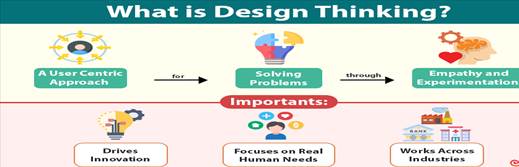
In today’s fast-paced world, creativity, problem-solving, and adaptability are more important than ever. Design thinking is an innovative approach that nurtures these skills in children, preparing them for the challenges of the future.
At its core, design thinking encourages children to empathize, ideate, prototype, and test solutions. This process is not just about creating products or art — it’s about teaching children how to think critically, approach problems with curiosity, and embrace failure as a learning opportunity. When children engage in design thinking, they learn to see challenges as possibilities rather than obstacles.
One of the most powerful aspects of design thinking is that it puts children at the center of the learning process. They are not passive recipients of knowledge; instead, they actively explore, experiment, and make decisions. This fosters a sense of confidence and independence, helping children understand that their ideas are valuable and impactful.
Moreover, design thinking enhances collaboration and communication skills. As children work in teams to brainstorm and develop solutions, they learn to listen to diverse perspectives, articulate their thoughts clearly, and compromise when necessary. These social-emotional skills are just as crucial as academic knowledge in shaping well-rounded, resilient individuals.
In essence, design thinking equips children with the tools to navigate uncertainty, think creatively, and approach problems with a solutions-oriented mindset. By integrating this approach into education, we empower the next generation to innovate, adapt, and make a meaningful difference in the world.
Investing in design thinking for children is not just about teaching them how to create — it’s about teaching them how to think, grow, and thrive in a rapidly changing world.
Creativity is more than just drawing, painting, or playing with clay — it’s the key to helping children think, grow, and understand the world around them. In today’s fast-changing world, creativity has become one of the most important skills a child can develop.
1. Creativity Builds Problem-Solving Skills
When children use their imagination, they learn to see challenges from different angles. Whether they’re building a fort out of blankets or inventing a new game, they’re practicing how to think critically and find solutions on their own.
2. It Boosts Confidence and Self-Expression
Creative activities give children the freedom to express their feelings and ideas without fear of being “wrong.” When a child creates something unique — a story, a picture, or a song — they feel proud of their work, which builds self-esteem and confidence.
3. Encourages Emotional Development
Art, storytelling, and play help children process emotions they may not yet have the words for. Creativity becomes a healthy outlet for expressing joy, frustration, curiosity, and even sadness — helping them develop emotional intelligence.
4. Supports Cognitive Growth
Creative play encourages exploration, curiosity, and experimentation — all of which strengthen the brain. Research shows that children who engage in creative thinking tend to perform better in problem-solving and academic learning later in life.
5. Prepares Children for the Future
The future belongs to innovators — people who can think outside the box. By nurturing creativity, parents and teachers are helping children develop flexibility, adaptability, and imagination — skills that will be essential in any career path.
Final Thoughts
Every child is naturally creative. The key is to give them the time, space, and encouragement to explore their imagination. Whether it’s through art, music, writing, or simple play, creativity helps children become more confident, thoughtful, and capable individuals — ready to shape the world in their own unique way.
How Computer Shuffle Puzzle Games Enhance Children’s Thinking Skills
1. Introduction
In a world where technology is part of everyday life, children are spending more and more time using computers, tablets, and smartphones. Parents often worry that too much screen time can harm a child’s development. However, not all computer games are bad. Some games can actually help the brain grow and think better. One great example is computer shuffle puzzle games — digital puzzles where children rearrange pieces of a mixed-up image to make it whole again.
Unlike ordinary video games that rely on speed or luck, shuffle puzzles require thinking, focus, and patience. As children move the pieces around, they are not only having fun but also exercising their brain. These games can improve attention, memory, reasoning, and emotional control, making them a valuable digital learning tool.
2. Developing Problem-Solving and Logical Thinking
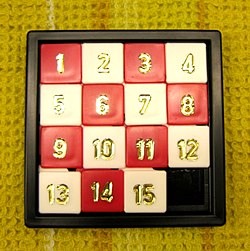
Shuffle puzzle games are excellent for building problem-solving skills. Each puzzle begins with a picture broken into small square pieces arranged randomly. The player’s job is to find the correct order of these pieces. To do that, children must plan each move carefully and think several steps ahead — just like in chess or math problems.
This kind of play activates the frontal lobe of the brain, which is responsible for reasoning, logic, and decision-making. Every time a child tries a new combination, they are practicing hypothesis testing — asking themselves, “What will happen if I move this piece here?” This trial-and-error process strengthens their ability to analyze problems and find creative solutions in both games and real-life situations.
3. Improving Memory and Attention to Detail
Shuffle puzzles also train children’s visual and working memory. To complete the puzzle, they must remember where each piece was, what it looks like, and where it might fit. This strengthens short-term memory and helps them retain visual information more effectively.
Additionally, shuffle puzzles require a high level of attention to detail. Children must notice small differences in color, shape, or pattern to figure out the correct position of each piece. This sharpens their observational skills, which are essential for learning subjects like reading, writing, and science.
Unlike fast-moving games that encourage quick reactions, shuffle puzzles promote deep focus. Children must slow down, think carefully, and stay mentally engaged for longer periods — an important skill for academic success.
4. Encouraging Patience, Perseverance, and Emotional Control
Playing shuffle puzzle games can also teach valuable emotional and behavioral skills. Since these puzzles can be challenging, children learn to be patient and keep trying even when the solution isn’t obvious. Completing a puzzle after many attempts gives them a sense of achievement and self-confidence.
This process helps children understand that mistakes are part of learning. They discover that solving a problem often requires persistence, calm thinking, and a positive attitude. These lessons extend far beyond the screen — they build emotional strength and resilience that benefit children in school, sports, and social life.
5. Boosting Spatial Intelligence and Mathematical Thinking
Shuffle puzzles are also an excellent way to develop spatial intelligence — the ability to understand and manipulate shapes and positions in space. When a child moves pieces around, rotates them mentally, and predicts how they will fit together, they are training their spatial reasoning skills.
These skills are closely linked to mathematical ability and STEM learning. Children who often play with spatial puzzles tend to perform better in geometry, physics, and computer programming later in life. Shuffle puzzles, therefore, are not just fun games but also mental exercises that prepare children for future academic challenges.
6. Learning Through Play and Digital Literacy
One of the best aspects of computer shuffle puzzle games is that they combine learning with play. Many of these games feature educational themes — animals, maps, famous landmarks, or historical figures. As children rearrange the images, they naturally absorb new information about the world around them.
At the same time, they are improving their digital literacy. By using a computer or tablet to solve puzzles, children learn to interact with technology in a focused and responsible way. They develop hand-eye coordination and understand how to use digital tools purposefully — a crucial skill in today’s technology-driven society.
7. Conclusion
In conclusion, computer shuffle puzzle games are much more than simple entertainment. They challenge the brain, nurture patience, and encourage curiosity. Through these games, children learn to think logically, remember details, and control their emotions — all while having fun.
When used in moderation and supported by parents or teachers, shuffle puzzles can turn screen time into a powerful brain-training experience. In a world full of distractions, such thoughtful digital games remind us that technology, when used wisely, can be a wonderful ally in helping children grow into smart, focused, and confident learners.
Top Shuffle / Sliding Puzzle Mobile Games (2024–2025)
1. Slide Master: Tile Shuffle (Popcore Games)
Fresh take on the classic sliding puzzle.
Features smooth animations, daily challenges, and leaderboard competitions.
Android: Slide Master on Google Play
iOS: Slide Master on App Store
2. Tile Swap Puzzle: Art Shuffle
Rearrange mixed-up art pieces or photos to complete the picture.
Includes famous paintings, animals, and landscapes.
Android: Tile Swap Puzzle on Google Play
iOS: Tile Swap Puzzle on App Store
3. Unblock Cube 3D (Easybrain)
3D version of the classic Unblock puzzle — rotate and slide cubes in multiple directions.
Addictive and visually modern.
iOS: Unblock Cube 3D on App Store
Android: Unblock Cube 3D on Google Play
4. Slidey®: Block Puzzle Reloaded (2025 Update)
Combines block sliding with match logic; updated with new levels and events in 2025.
Bright visuals and simple one-finger gameplay.
Android: Slidey: Block Puzzle on Google Play
iOS: Slidey on App Store
5. Shuffled Picture Challenge (Infinity Games)
Minimalistic and relaxing shuffle puzzle where you fix broken patterns and images.
Beautiful sound design and clean art style.
Android: Shuffled Picture Challenge on Google Play
iOS: Shuffled Picture Challenge on App Store
6. Block Jam 2025: Move & Merge
Hybrid of shuffle and merge puzzles; move blocks to combine matching ones.
Daily missions and offline play supported.
Android: Block Jam 2025 on Google Play
iOS: Coming soon – announced for late 2025
7. Puzzle Slide Adventure (SayGames)
Mixes sliding puzzles with a storyline — unlock chapters by solving shuffle puzzles.
Great visuals and casual difficulty.
Android: Puzzle Slide Adventure on Google Play
iOS: Puzzle Slide Adventure on App Store
8. Gallery Shuffle: Picture Restoration
Rebuild scrambled artwork in a virtual gallery.
Calm gameplay with relaxing music and smooth controls.
Android: Gallery Shuffle on Google Play
iOS: Gallery Shuffle on App Store
9. Link Slide Puzzle (BitMango)
New 2025 version featuring dynamic movement; connect paths by sliding tiles in the right order.
Addictive and logic-driven.
Android: Link Slide Puzzle on Google Play
iOS: Link Slide Puzzle on App Store
10. Smart Shuffle: Brain Training Puzzle
Focuses on cognitive training — numbers, patterns, and logic shuffling.